Bhati Village on Madh Island Offers a Glimpse into Mumbai’s Original Fishing Culture
Bhati Village on Madh Island Offers a Glimpse into Mumbai’s Original Fishing Culture
Located on Madh Island near Malad, Bhati village is a quiet coastal settlement that showcases the traditional lifestyle of Mumbai’s Koli fishing community. Away from the city’s busy roads and high-rise buildings, the village gives visitors a chance to experience authentic coastal life, clean beaches, old-style architecture, and traditional seafood.
Mumbai is widely known as India’s financial capital and the centre of Bollywood, but few people remember that the city was originally home to fisherfolk. Long before modern development, Koli communities lived along the coast in villages known as Koliwadas. Bhati village is one such settlement that has survived centuries of change.
Mumbai’s Original Residents
The Koli community is considered Mumbai’s oldest group of inhabitants. Historical records suggest that Kolis have lived and fished in the region for hundreds of years. Over time, they set up fishing villages across the seven islands that later became Mumbai.
Today, around 36 Koliwadas still exist in different parts of the city, including Worli, Mahim, Colaba, Girgaon, Versova, and Madh. Despite rapid urban growth, many of these villages have managed to retain their traditional way of life.
A Calm Coastal Village
Bhati village is located in the Madh Island area of Malad West and is surrounded by the Arabian Sea. It is home to around 200 families. The village remains peaceful and largely unchanged, even though modern buildings and elite neighbourhoods have grown around it.
The narrow lanes, colourful houses, and Portuguese-style buildings give Bhati a distinct old-world charm. Nearby beaches and open spaces make it a relaxing escape from Mumbai’s crowded environment.
Daily Life and Culture
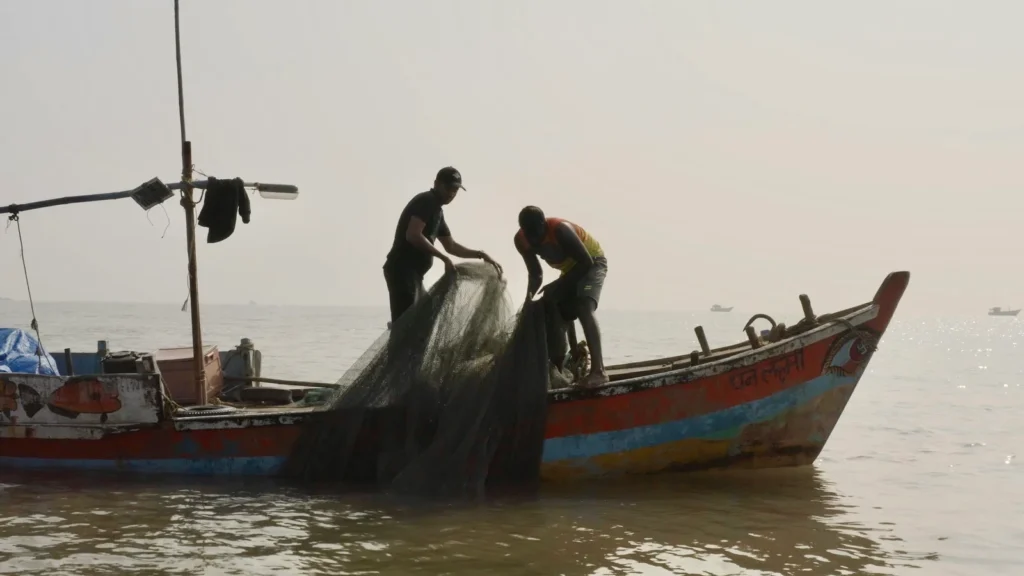
Fishing remains the main occupation in Bhati village. Near the seashore, fishing boats are anchored, and nets are spread out to dry. The local fish market near the village entrance sells fresh catch every day and plays an important role in supplying seafood to the city.
The village also celebrates several festivals together with nearby Erangal and Madh villages. These include religious events at churches and dargahs, which are attended by people from different communities, reflecting the area’s cultural harmony.
Attractions for Visitors
Bhati Koliwada Beach is clean and relatively untouched by commercial activity, making it ideal for quiet walks and relaxation. An old church near the village reflects Portuguese influence from the colonial era.
The village is also popular among photographers for its scenic views, colourful houses, fishing boats, and beautiful sunsets over the sea. Visitors can enjoy traditional Koli seafood at small local eateries run by village women, offering fresh and flavourful dishes.
Nearby Places to Visit
Popular spots such as Aksa Beach, Madh Fort, Dana Pani, Silver Beach, and Erangal village are located close to Bhati. These places add to the appeal of the area and make it suitable for a short weekend visit.
Challenges to Survival
Despite their long history, Koliwadas face threats from urban development. In the past, planning proposals classified these villages as slums, which caused concern among residents. The community has demanded recognition of Koliwadas as heritage areas, saying their culture and contribution to Mumbai should be protected.
Residents point out that fishing communities play a vital role in supplying fresh seafood and preserving Mumbai’s coastal identity.
How to Reach Bhati Village
Bhati village is about 30 kilometres from south Mumbai and can be reached via Malad railway station. Buses connecting Malad to Madh Island stop near the village. The best time to visit is between November and February, when the weather is pleasant.
A Living Reminder of Old Mumbai
Bhati village is not just a tourist spot but a living example of Mumbai’s original coastal culture. It highlights the deep connection between the city and the sea, reminding people that Mumbai’s roots lie in fishing communities.
As the city continues to grow, preserving places like Bhati village is important to keep Mumbai’s history and heritage alive for future generations.