Maharashtra Govt Plans Major Safety Overhaul on Mumbai–Pune Expressway After 36-Hour Traffic Jam
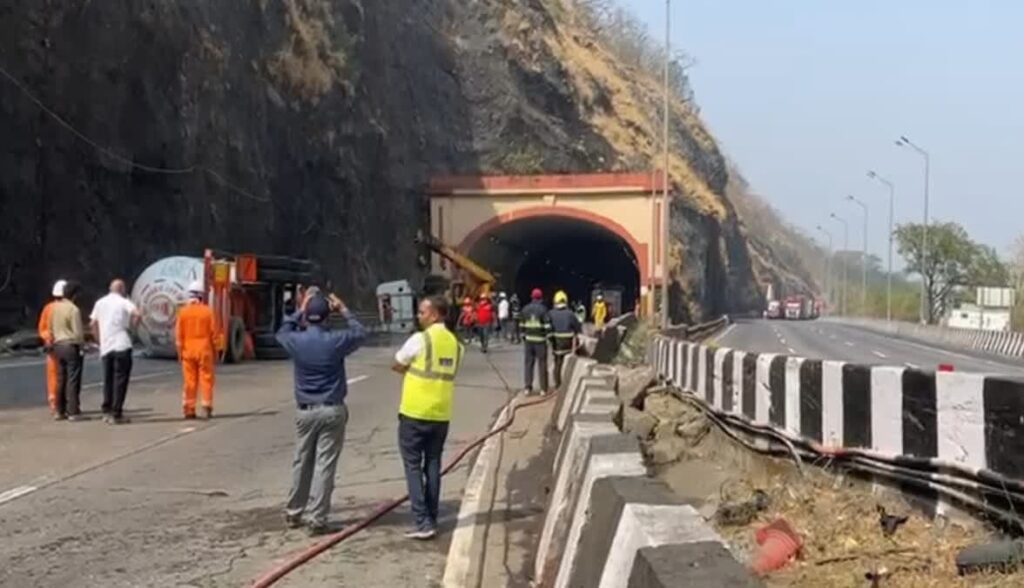
Maharashtra Govt Plans Major Safety Overhaul on Mumbai–Pune Expressway After 36-Hour Traffic Jam
New SOP, air ambulance proposal and stricter rules for hazardous vehicles announced after gas tanker accident.
The Maharashtra government has announced a detailed action plan to prevent long traffic jams and improve emergency response on the Mumbai–Pune Expressway after a recent tanker accident caused a 36-hour traffic standstill.
The issue was discussed in the state Assembly after a tanker carrying highly flammable propylene gas overturned near the Adoshi tunnel in Raigad district. The gas leak forced authorities to shut down a major stretch of the expressway, leaving thousands of commuters stranded.
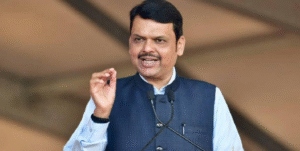
Chief Minister Devendra Fadnavis admitted that the response to the incident was delayed. He said it was the first time such an accident had occurred and both the government and the companies handling hazardous materials were not fully prepared.
“This is a wake-up call,” Fadnavis said, adding that a proper Standard Operating Procedure (SOP) is now being prepared to handle such emergencies in the future.
New SOP and Emergency Plans
The Chief Minister informed the Assembly that the government is developing a new SOP to ensure better coordination between all agencies during accidents involving hazardous materials. Clear guidelines will be introduced for transporting flammable substances, and international safety standards will also be studied.
The government is also considering the use of air ambulances during the “golden hour” — the first hour after a serious accident — to shift critically injured patients quickly to major hospitals in Mumbai or Pune, such as Ruby Hall Clinic and Apollo Hospital Mumbai.
Although night landing facilities for helicopters are currently not available, Fadnavis assured that emergency response systems will be strengthened.
Opposition Raises Safety Issues
BJP MLA Ameet Satam questioned whether proper inspections were carried out before the tanker began its journey and whether strict rules exist for vehicles carrying dangerous materials.
Shiv Sena (UBT) MLA Aditya Thackeray called the incident a serious bio-chemical risk. He pointed out that poor road conditions, including potholes, can increase danger for such vehicles. He suggested fixed routes for hazardous tankers and better hazmat response systems with clear evacuation plans.
NCP leader Jayant Patil recommended deploying a dedicated helicopter to quickly transport emergency teams to accident sites. He also suggested a technology-based system to give real-time updates to commuters.
Fadnavis said all suggestions would be considered. The government is also exploring IMS-based alerts to send emergency messages directly to people’s mobile phones.
Measures to Reduce Traffic Congestion
To prevent future traffic chaos, high-tech cameras have been installed on the expressway to monitor speeding and illegal overtaking. Real-time footage is being sent to control rooms, and 24-hour patrols have been increased at more than 10 identified accident-prone “black spots.”
FASTag has been made compulsory at toll plazas, and extra staff will be deployed during peak travel seasons. If traffic becomes too heavy, authorities may temporarily stop heavy vehicles to allow smaller vehicles to pass.
Heavy vehicles must now stay in the left lane, and strict action will be taken against violators through CCTV monitoring by the Maharashtra Highway Police.
The government said the new safety measures and technology-driven systems aim to ensure that such long traffic disruptions do not happen again on one of the state’s busiest highways.