Mumbai To Install Plastic-Catching Barriers In Key Waterways To Protect Arabian Sea
Mumbai To Install Plastic-Catching Barriers In Key Waterways To Protect Arabian Sea
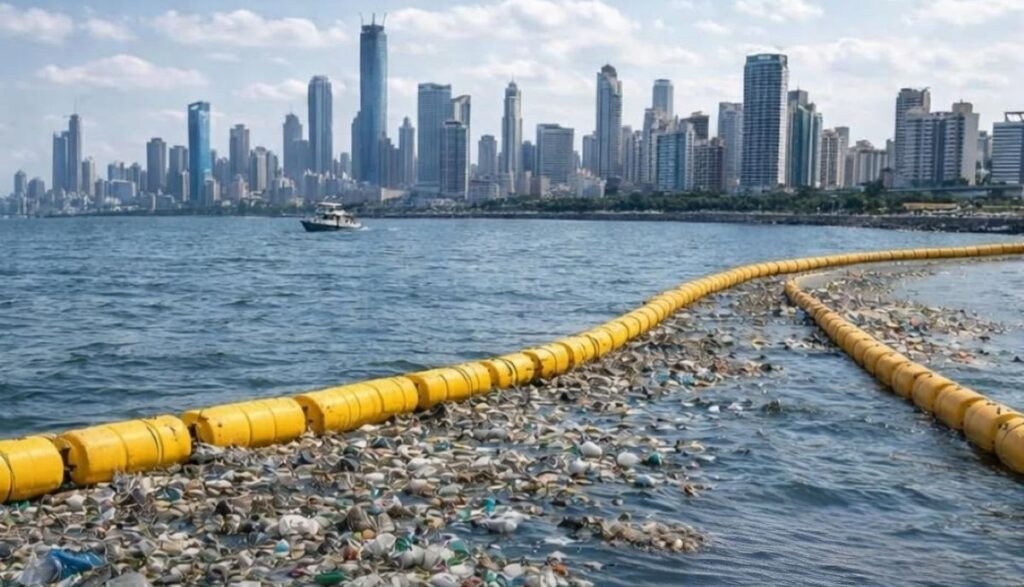
Mumbai: In a major step to tackle marine pollution, Mumbai will soon install specially designed barriers in key waterways to stop plastic waste from flowing into the Arabian Sea and the Indian Ocean. The project will begin in phases in 2026, officials said on Tuesday.
The first installations will be carried out in the Trombay and Malad waterways, which have been identified as major routes through which plastic waste reaches the sea.
The initiative is being led by The Ocean Cleanup, a Netherlands-based non-profit organisation known for developing technology to remove plastic from oceans and rivers. The organisation is working in partnership with the Municipal Corporation of Greater Mumbai (MCGM) and the Maharashtra Pollution Control Board (MPCB).
A spokesperson for The Ocean Cleanup said the barriers are specially engineered to trap plastic debris before it enters the sea. Data analysis by the organisation showed that the Trombay and Malad waterways are among the most significant contributors to ocean-bound plastic waste from the city.
Once operational, the first set of barriers is expected to collect between 61 and 92 tonnes of plastic waste every year. According to research, plastic makes up nearly 80% of marine litter found along India’s coastline.
The deployment will be carried out in stages, with the first phase expected to be completed before the upcoming monsoon season, when large amounts of waste are typically washed from inland areas into the sea.
A survey conducted by The Ocean Cleanup estimates that Mumbai releases around 5 million kilograms of plastic into the Arabian Sea annually. This pollution impacts about 220 kilometres of coastline, threatens 152 square kilometres of mangroves, endangers 107 protected species, and affects the livelihoods of nearly 1.9 million people who depend on coastal and marine ecosystems.
Experts say most of the plastic pollution comes from urban runoff, industrial discharge, and gaps in waste management systems.
Boyan Slat, Founder and CEO of The Ocean Cleanup, highlighted India’s importance in global anti-plastic efforts. He said stopping plastic in rivers before it reaches the ocean is crucial to protecting marine life. Mumbai has been identified as a priority city under the organisation’s 30 Cities Programme, which aims to reduce river-based plastic pollution worldwide.
Global studies by The Ocean Cleanup show that just 1,000 of the world’s nearly 3 million rivers are responsible for about 80% of plastic entering oceans. Through targeted interventions in major cities, the organisation aims to cut river plastic emissions by one-third.
Officials said the project marks an important move toward cleaner waterways and healthier seas, showing how technology and cooperation between authorities and environmental groups can help address the growing problem of marine pollution.