Dadar Station, Mumbai: Think Twice Before Grabbing That Morning Snack
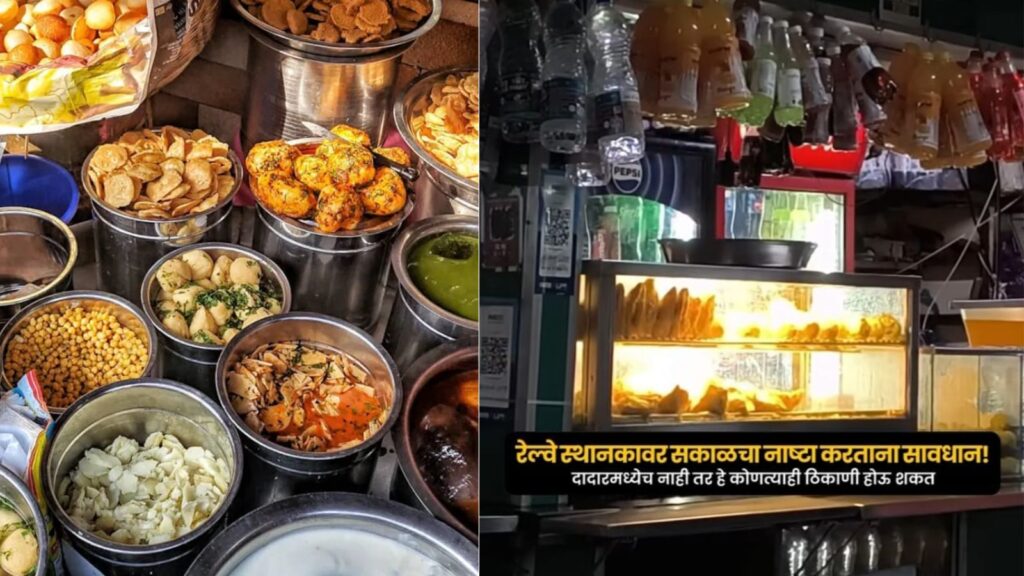
Dadar Station, Mumbai: Think Twice Before Grabbing That Morning Snack
A viral video from Dadar station has raised food safety concerns, reminding commuters that a quick homemade breakfast may be the healthier choice.
Every morning, lakhs of people in Mumbai, Pune and other cities rush to catch trains and reach work on time. In this daily hurry, breakfast often takes a back seat. Many commuters end up buying vada pav, samosas or sandwiches from stalls at railway stations.
Recently, a viral video from Dadar railway station sparked concerns about food safety. The video allegedly showed vada pav and samosas being sold soon after the shop opened, leading to questions about whether the food had been prepared the previous day. While there has been no official confirmation, the incident has started a wider discussion about hygiene and food handling at busy transit hubs.
Food safety experts warn that cooked food left at room temperature for long periods can become unsafe. Harmful bacteria can grow quickly, increasing the risk of food poisoning.
Common symptoms of food poisoning include nausea, vomiting, stomach pain, diarrhoea, fever and dehydration. Children, senior citizens, pregnant women and people with weak immunity are more vulnerable to serious complications.
Experts say commuters don’t have to skip breakfast. With a little planning, healthy and easy-to-carry options can be prepared at home in just a few minutes.
Quick breakfast ideas:
• Peanut butter or vegetable sandwich
• Idli with dry chutney powder
• Thepla or chapati roll with paneer or vegetables
• Boiled eggs with fruit
• Overnight oats with curd and nuts
• Sprouts salad with lemon
• Banana or apple with roasted chana
• Dry fruits and yoghurt cup
Most of these meals take only five to ten minutes to prepare and can easily be carried during the commute.
“I used to buy breakfast at the station almost every day because I was always late. Now, I carry a sandwich and fruit from home. It saves money and gives me peace of mind,” said Megha Kulkarni, a regular commuter.
Dr. Anjali Deshmukh, Consultant Physician, said that regularly eating food from unreliable sources can affect digestion, energy levels and overall health. She advises people to choose fresh home-cooked meals or food from clean and trusted outlets. Food that has been left unrefrigerated for several hours should be avoided.
Commuters should also look for signs of good hygiene before buying food. Freshly prepared items, clean counters, covered food and proper handling are positive signs. If the food smells unusual, looks dry or discoloured, or has been left uncovered for long periods, it is best not to consume it.
With millions depending on station food every day, experts believe that better hygiene monitoring and greater awareness among consumers are equally important. Spending a few extra minutes preparing breakfast at home can help reduce the risk of foodborne illness and ensure a healthier start to a busy day.